
Searching for mold damage restoration near me often happens after a leak, flooding, persistent dampness, or the discovery of mold in an area that has been closed off or overlooked. What appears to be a small patch on a wall may be connected to moisture behind the surface or damage to nearby materials.
Michigan Mold Services helps property owners address these situations by focusing on the condition of the affected space, not simply the mold that can be seen.
From Mold Growth To Property Damage
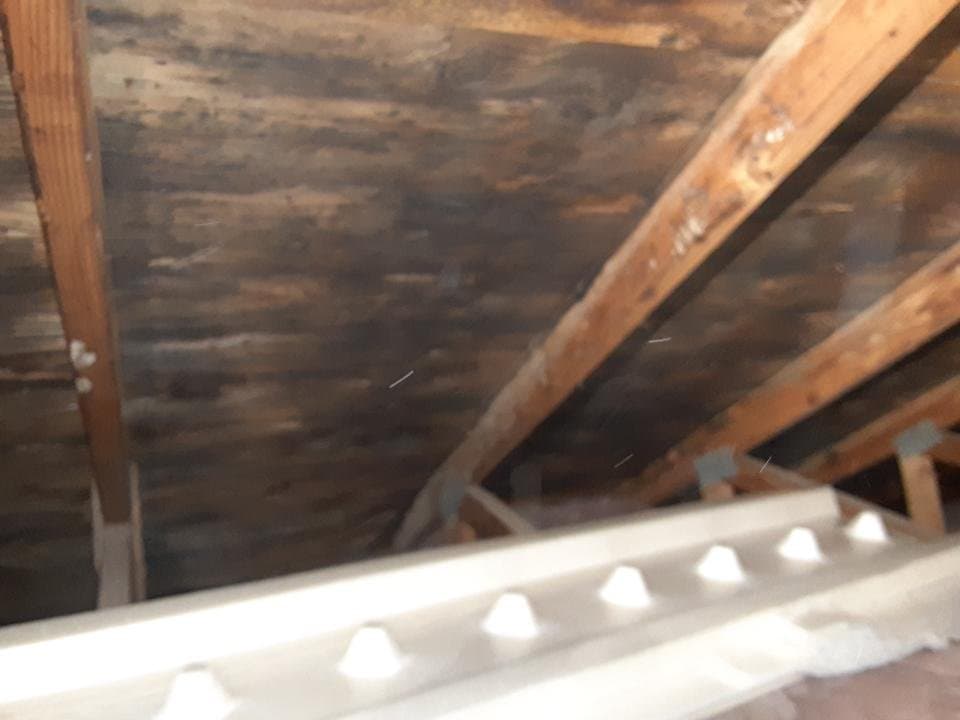
Mold and water damage can overlap. A plumbing leak may leave drywall saturated, a roof leak can affect ceilings and insulation, and prolonged dampness can impact flooring or other porous materials. Once materials have been affected, cleaning the visible growth alone may not resolve the entire restoration concern.
The first step is understanding what happened and where the damage extends.
A restoration assessment may consider:
- Where moisture entered or accumulated
- Which rooms, surfaces, or materials show signs of damage
- Whether the affected materials are porous or non-porous
- Whether visible mold extends beyond the original area
- Which materials may be cleaned and which may need removal
- What restoration work is appropriate for the affected space
This creates a more practical starting point than simply treating the most noticeable patch.
When Water Damage And Mold Appear Together
Mold can become part of a larger property problem after water-related incidents. For example, a leak may initially seem resolved, while moisture remains within drywall or other materials. Days or weeks later, staining, odors, or visible growth may become apparent.
In these situations, mold removal and restoration need to account for both the mold and the condition of the surrounding materials. Removing damaged components may be necessary in some areas, while other surfaces may be suitable for cleaning and treatment.
The appropriate response depends on the type and extent of damage found at the property.

What Happens To Damaged Materials?
One of the most important restoration questions is whether an affected material can be restored or needs to be removed.
Materials such as drywall, insulation, carpet, and other porous components can require different treatment depending on how extensively they have been affected. If a material has deteriorated or cannot be appropriately restored, removal may become part of the restoration process.
Professional mold damage repair can therefore involve more than cleaning. It may include removing affected materials, preparing the area for restoration, and addressing damage left behind by moisture or mold.
What To Do When Mold Keeps Returning
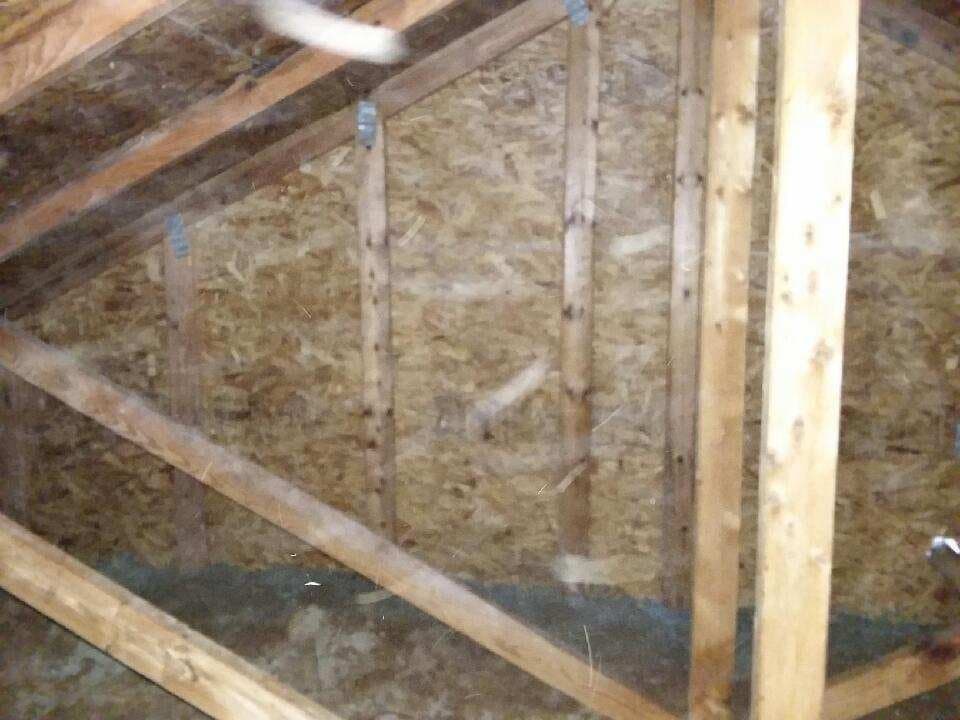
Recurring mold deserves a closer look. If mold repeatedly returns after an area has been cleaned, the visible growth may not be the only issue.
Moisture can come from several sources, including leaks, condensation, water intrusion, or damp building materials. Identifying the conditions surrounding the affected area can help determine why the problem has continued.
For property owners searching for mold damage restoration near me, professional evaluation can provide a clearer understanding of whether the concern is limited to surface growth or involves a larger restoration issue.
What To Look For In A Mold Restoration Company
Choosing a mold restoration company is not simply about finding someone who can clean mold. The service should match the condition of the property.
Before proceeding, property owners can ask:
- What areas will be assessed?
- How will visibly damaged materials be handled?
- Which materials may be suitable for cleaning?
- When might material removal be necessary?
- How will moisture-related concerns be considered?
- What restoration work may be required afterward?
These questions can help you understand whether the service addresses the broader condition of the affected area.

Keep reading
Related services
Restore The Affected Space
Mold damage can leave property owners dealing with damaged materials, persistent odors, visible growth, and uncertainty about what should happen next. A thorough restoration process considers the affected space as a whole and identifies what work may be needed based on its condition.
Michigan Mold Services provides professional mold damage restoration for property owners dealing with mold and moisture-related damage. Restoration mold specialists can assess the situation and help identify the appropriate restoration steps for the affected property.
If you are searching for mold damage restoration near me, contact Michigan Mold Services to discuss the mold damage affecting your home or property and determine the next step for restoration.