

Bloomfield Hills, MI
Before Removing Mold, Understand What Caused It.
Finding mold in your home can bring up a lot of questions. Where did it come from? Has it spread beyond the area you can see? And what needs to happen next? Leaks, excess moisture, condensation, and ventilation issues can all create conditions where mold grows. Professional mold removal Bloomfield Hills services can help you assess affected areas, look into possible moisture sources, and understand what kind of treatment may be needed.
The right approach depends on what is happening at the property, where moisture is present, and how extensive the affected area may be.

Start By Finding Where The Moisture Is Coming From
Mold needs moisture. If the moisture problem is still present, simply cleaning the visible growth may not address the reason it appeared.
A mold concern may be connected to:
- A roof leak allowing water into an attic
- A plumbing leak affecting a wall or ceiling
- Excess humidity inside the property
- Condensation on cold surfaces
- A bathroom fan that is not vented properly
- Poor attic ventilation
- Air leaks that allow warm, moist air into an attic
Finding the source can help explain why mold developed and what may need to be corrected along with the affected area.
When Mold Is Visible, Look Beyond The Surface
Seeing a small patch of mold does not always tell you how far the problem goes. Moisture can remain behind or within building materials, creating conditions for growth outside the area that is immediately visible.
That is why simply wiping down a spot may not be enough. The affected area, surrounding materials, and possible moisture source all deserve consideration before deciding how the problem should be handled.
This can be especially important when mold appears after a leak or water-related event. For property managers, understanding the extent of the concern can also help determine what work the property may need. Professional mold removal Bloomfield Hills services can then be considered based on the affected areas and conditions identified during the assessment.
Mold Testing When The Situation Is Unclear
Not every mold problem announces itself with visible growth. Sometimes, the only sign is a musty smell. In other cases, there may have been previous water damage or a reason to suspect mold in an area that cannot be easily inspected.
If you need more information about a suspected mold concern, testing may help provide a clearer picture of what is happening at the property.
Testing may help when you want to know:
- What may be contributing to the mold concern
- Where moisture may be affecting the property
- Whether conditions are favorable for continued growth
- What steps may be appropriate after testing
Having more information can make it easier to determine what should happen next rather than making assumptions based only on what can be seen.

What Happens During Mold Remediation?
Mold remediation Bloomfield Hills involves more than treating the surface where mold has been found. The conditions that contributed to the growth also need to be considered.
The remediation process may include looking at the source of the problem, preparing the work area, treating affected surfaces, and addressing conditions that may contribute to continued growth.
- Site preparation: Protecting the work area and surrounding areas before treatment begins.
- Source analysis: Looking for issues such as roof leaks, ventilation problems, improperly vented fans, or attic air leaks.
- Mold and stain removal: Treating affected surfaces and removing visible mold and staining.
- Antimicrobial treatment: Applying treatment after mold removal as part of the remediation process.
The specific work depends on the affected materials, moisture conditions, and extent of the mold problem.

Attic Mold Needs A Different Level Of Attention
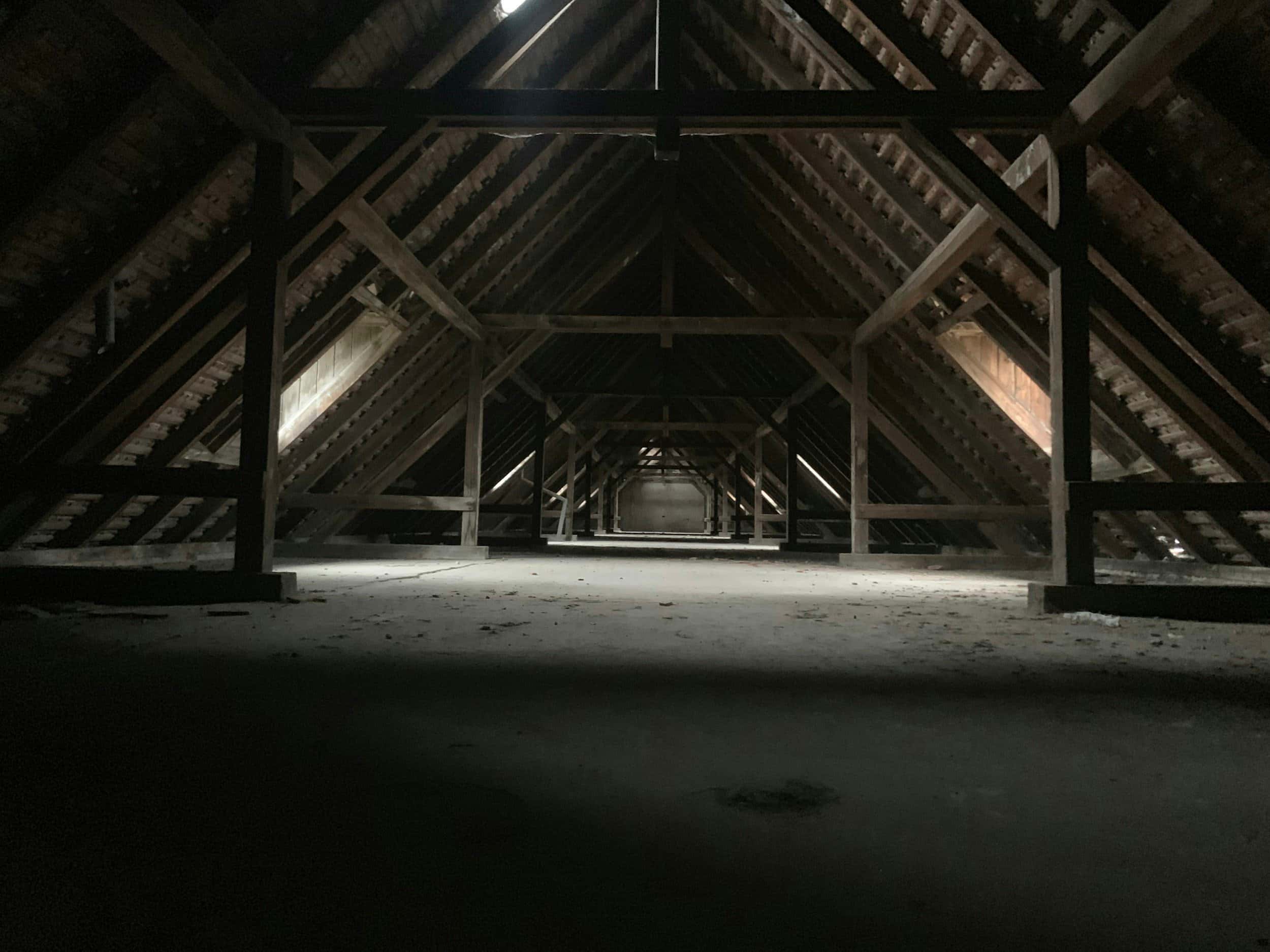
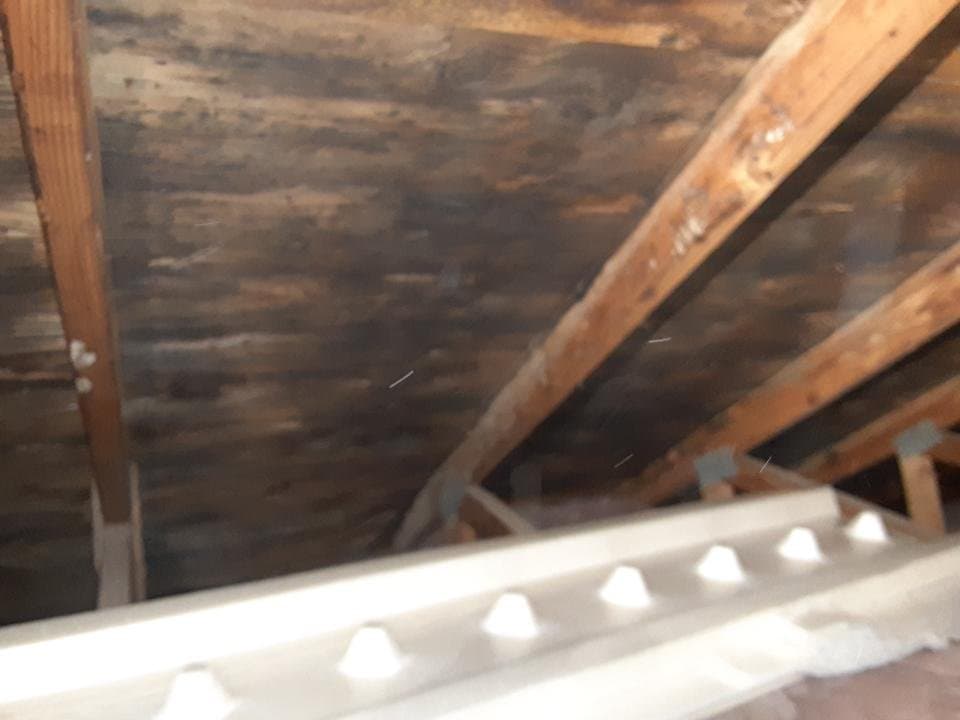
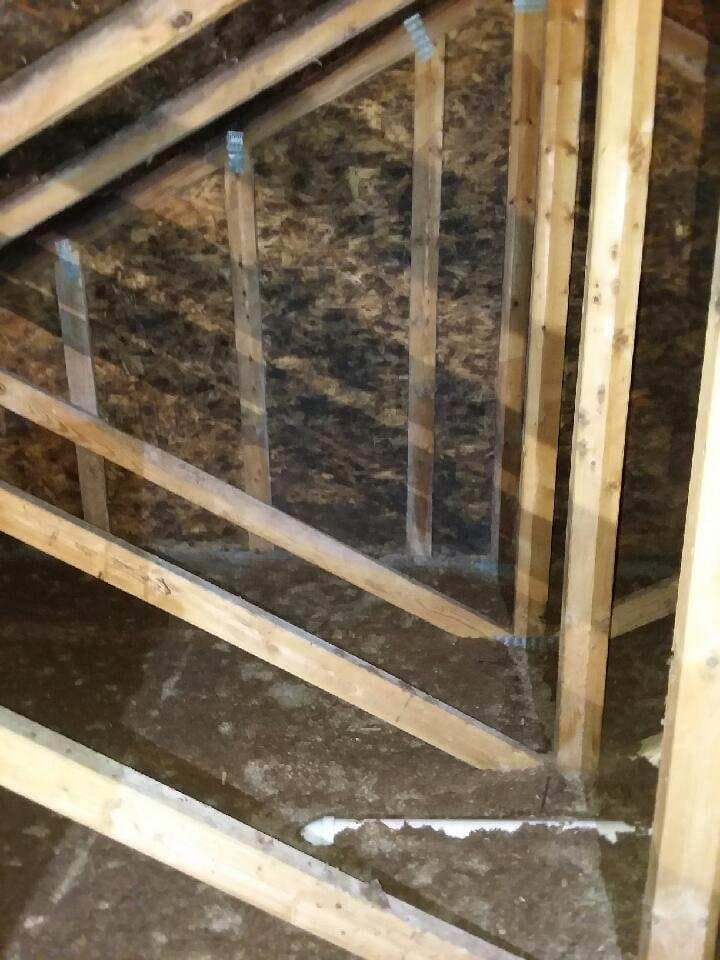
Attic mold can develop when moisture gets into the attic or cannot escape properly. Poor ventilation, roof leaks, improperly vented exhaust fans, and air movement from the living space can all contribute to moisture reaching attic materials.
Attic ventilation can also be examined for conditions that may be contributing to mold growth, including blocked intake vents, roof leaks, or air leaks. This can include checking intake vents for blockages and looking for roof leaks or air leaks.
That investigation matters because treating the visible mold without considering the conditions around it may leave the underlying issue unaddressed. When attic conditions are contributing to mold growth, mold removal Bloomfield Hills services may need to address both the affected materials and the conditions supporting the growth.
Keep reading
Related services
Discuss Your Mold Concern And Next Steps
If you have found mold, you may not know whether testing, removal, or full remediation is the right place to start. That depends on what is happening at the property and what is found during the assessment.
Depending on what is found, the next step may involve mold testing, removal, remediation, or further evaluation. If you need mold removal Bloomfield Hills, you can discuss your concerns and determine what type of service may be appropriate for the property.
For professional mold removal Bloomfield, contact Michigan Mold Services to discuss the mold concern at your property and the next steps.